
Indian Council of Agricultural Research
ICAR-Central Institute for Research on Cattle
भाकृअनुप-केन्द्रीय गोवंश अनुसंधान संस्थान
(An ISO 9001:2015 Certified Institute)
(An ISO 9001:2015 Certified Institute)
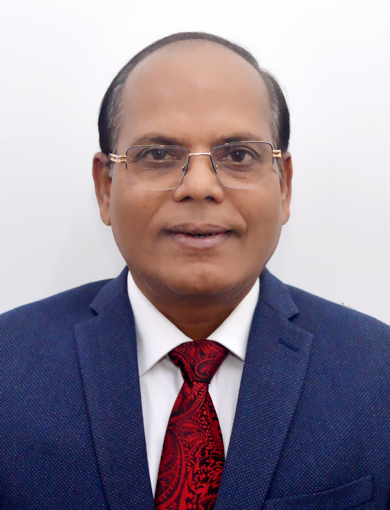
ICAR–Central Institute for Research on Cattle (ICAR–CIRC) is established with a unique national mandate for cattle germplasm improvement and productivity enhancement, committed to advancing scientific research for sustainable, productive and climate-resilient cattle production in India. Cattle rearing is an integral part of India’s rural economy, supporting millions of farming families through livelihoods, nutritional security and employment, particularly for rural women. With India having one of the world’s largest cattle populations and being the leading milk-producing nation, scientific interventions for genetic improvement, conservation of indigenous breeds, enhanced productivity and climate resilience are of paramount importance. ICAR–CIRC is dedicated to bridging the productivity gap between indigenous and crossbred cattle while conserving the unique adaptive, functional and economic attributes of native genetic resources.
The Institute has made significant contributions through its major programmes, including the Indigenous Breeds Project, Field Progeny Testing and the All India Coordinated Research Project on Cattle. Systematic performance recording, selection and germplasm conservation of important indigenous breeds such as Gir, Sahiwal, Kankrej, Tharparkar and Rathi continue to remain key priorities. The development and establishment of Frieswal™ represents a landmark achievement, combining high milk production potential with adaptability to Indian conditions. The Institute continues to strengthen its role as a national centre for production, conservation and dissemination of superior bovine germplasm through advanced breeding and reproductive technologies.
ICAR–CIRC is expanding its research frontiers in genomics, genomic selection, genome editing, assisted reproductive technologies, precision nutrition, artificial intelligence, climate resilience, dairy-based value addition and waste to wealth technology development. Advances in embryo transfer and sex-sorted semen technologies, together with initiatives for cryo-conservation of valuable genetic material from rare indigenous breeds, are strengthening the scientific foundation for accelerated genetic improvement and long-term conservation of India’s cattle wealth.
The Institute remains firmly committed to farmer-centric research and technology dissemination through SCSP, TSP, NEH, Farmer FIRST Programme and other outreach initiatives. Animal health camps, farmer training, technology demonstrations, exhibitions, custom hiring centres and capacity-building programmes are helping translate scientific knowledge into practical benefits for livestock keepers. The Institute also promotes entrepreneurship, waste-to-wealth approaches and sustainable dairy farming practices to enhance the profitability and resilience of smallholder production systems.
Looking ahead, ICAR–CIRC aspires to emerge as a globally recognized centre of excellence in precision cattle breeding, genomic improvement, advanced reproductive technologies, climate-resilient livestock production and sustainable livestock-based bioeconomy. Strengthening advanced germplasm facilities, genomic selection programmes, indigenous breed-specific genomic tools, ART facilities, precision nutrition, digital livestock management and strategic national and international collaborations will remain important priorities. Realizing this vision will require continued strengthening of scientific and technical manpower, modern research infrastructure, advanced breeding facilities and the new campus at Babugarh, along with enhanced institutional and collaborative support. I am confident that, through collective endeavour and a spirit of innovation, the Institute will continue to make meaningful contributions to India’s livestock sector and to the livelihoods of millions of farming families.
I sincerely acknowledge the guidance and support of the Secretary, DARE and Director General, ICAR; Deputy Director General (Animal Science); senior officials of ICAR; partner institutions; State Governments; farmers; and all our collaborators and stakeholders. I deeply appreciate the dedicated efforts of the scientists, technical personnel, administrative staff and other members of the ICAR–CIRC family whose commitment drives the Institute’s progress.